
Hair Transplant: How It Works, Is It Safe?
Karishmadevi K
We all experienced hair loss. It is a natural process that happens faster when you grow old. But nowadays everyone has tremendous hair loss irrespective of their age. It may be due to trauma or any other medical condition.
In a study, The PubMed Central states that 50% of women and 60% of men go through hair fall in some form. There are various methods to treat hair loss like topical treatment. But if you’re in the last stage and no other methods are working, hair transplantation is the only option. Here’s everything you need to know about it from how hair transplant works, its safety, and status of hair transplant after 10 years.
What is Hair Transplantation?
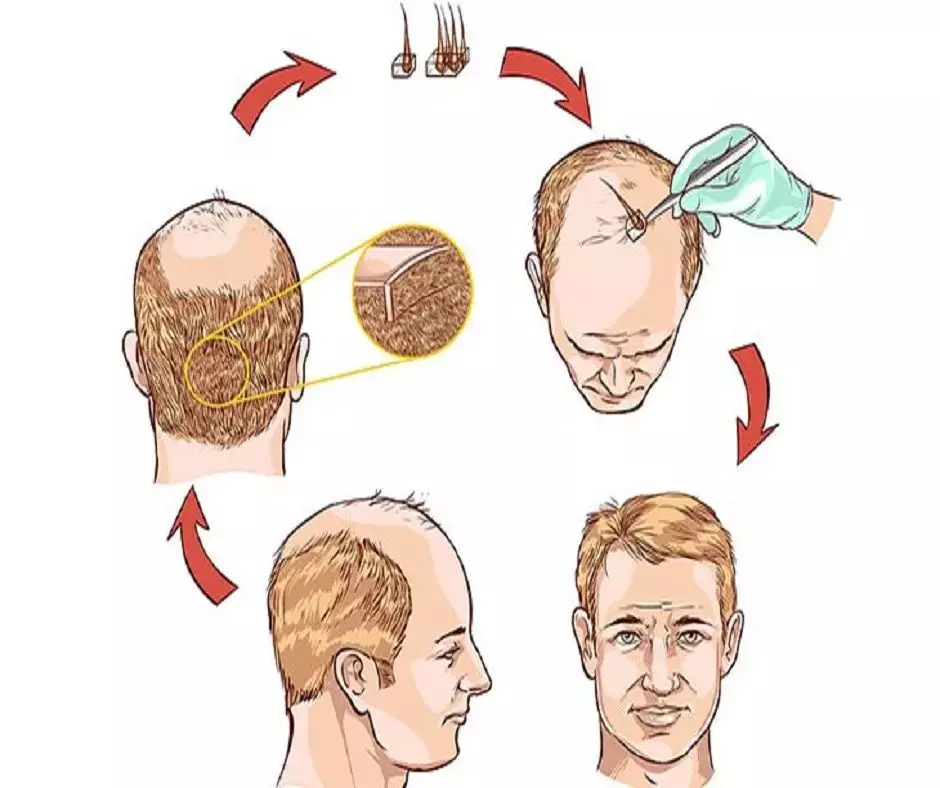
Hair transplantation is a process in which hair from the thicker part of our body is removed and it is replaced in the thinning area of the head. In Japan, in 1939, the first transplant was done with single scalp hairs. After years, the transplantation of a bunch of hair was created called the ‘plug’ technique.
Hair Transplants Process
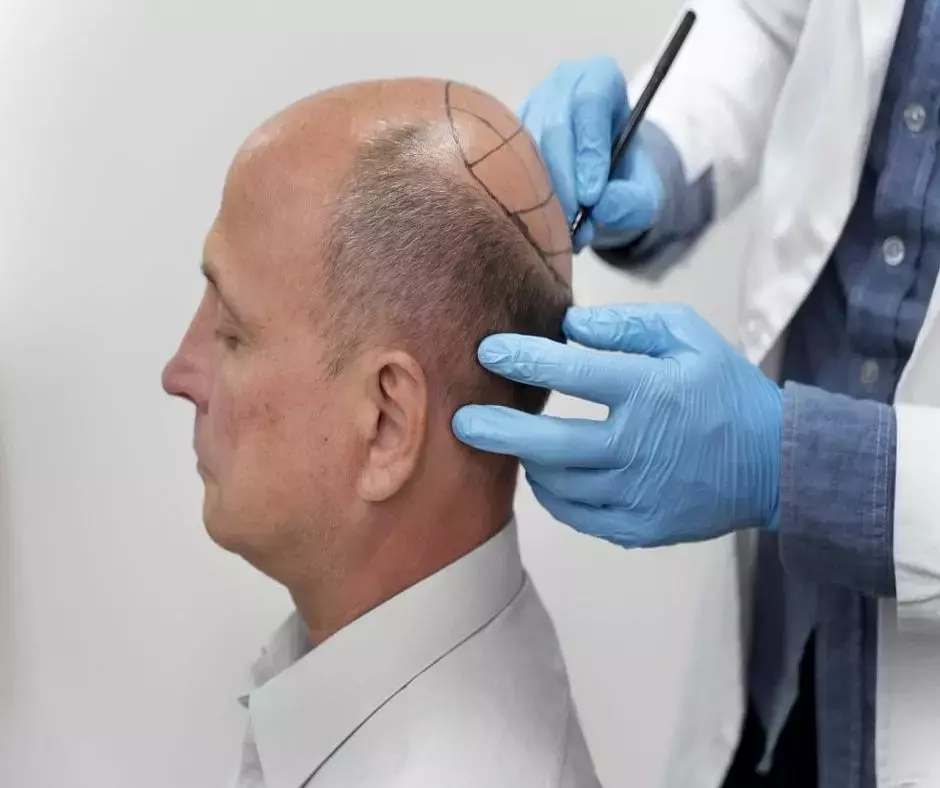
How do hair transplants work? A hair graft from a denser part of your body mostly from the back of your head is implanted in the part where you don’t have hair or have a lesser amount of hair. This procedure is done by a plastic surgeon or dermatologist.
Like any other surgery, anesthesia is used in this hair surgery. In the area where the hair is about to be removed, the surgeon sterilizes it and gives local anesthesia there. If you want, you can also ask for sedation from your surgeon, so that you sleep during the procedure.
There are two common types of hair transplantation. They are:
- Follicular unit transplantation
- Follicular unit extraction
Hair Transplant Procedure- Step-By-Step
Based on your condition, your surgeon will choose the appropriate method for you. Both of these methods are effective but produce different results accordingly. Here's the elaboration of hair transplant procedure step-by-step.
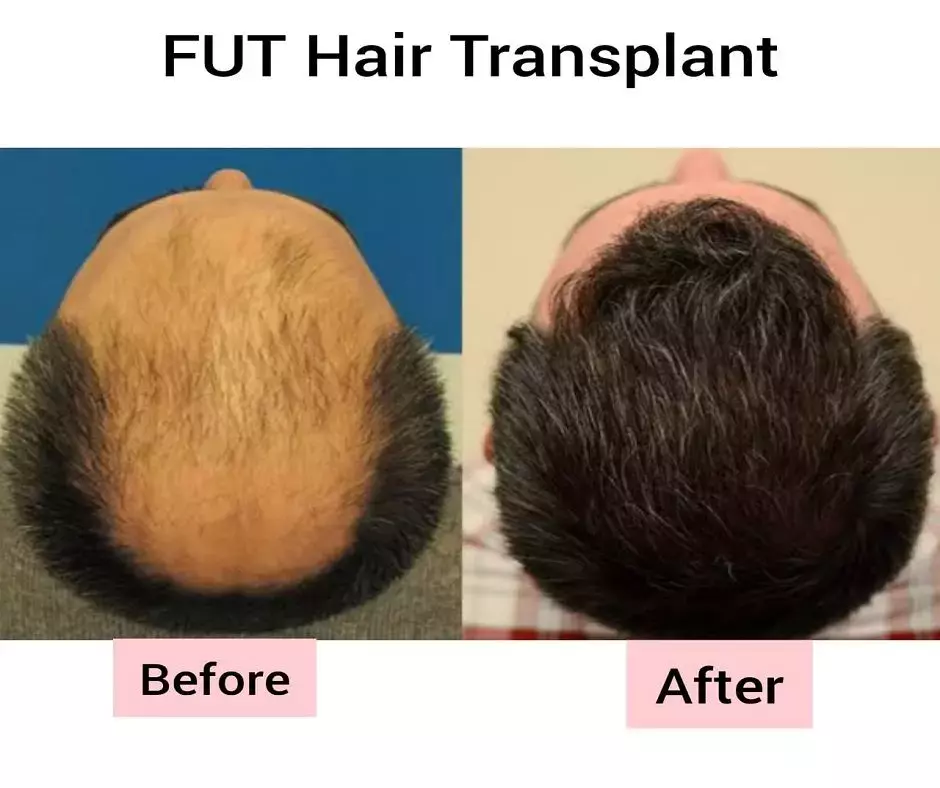
1.Follicular Unit Transplantation
It is also known as Follicular Unit Strip Surgery (FUSS). This transplantation depends on the type & quality of your hair, the size of the transplant site, and the color of your hair. Here is the follicular unit transplantation (FUT) procedure:
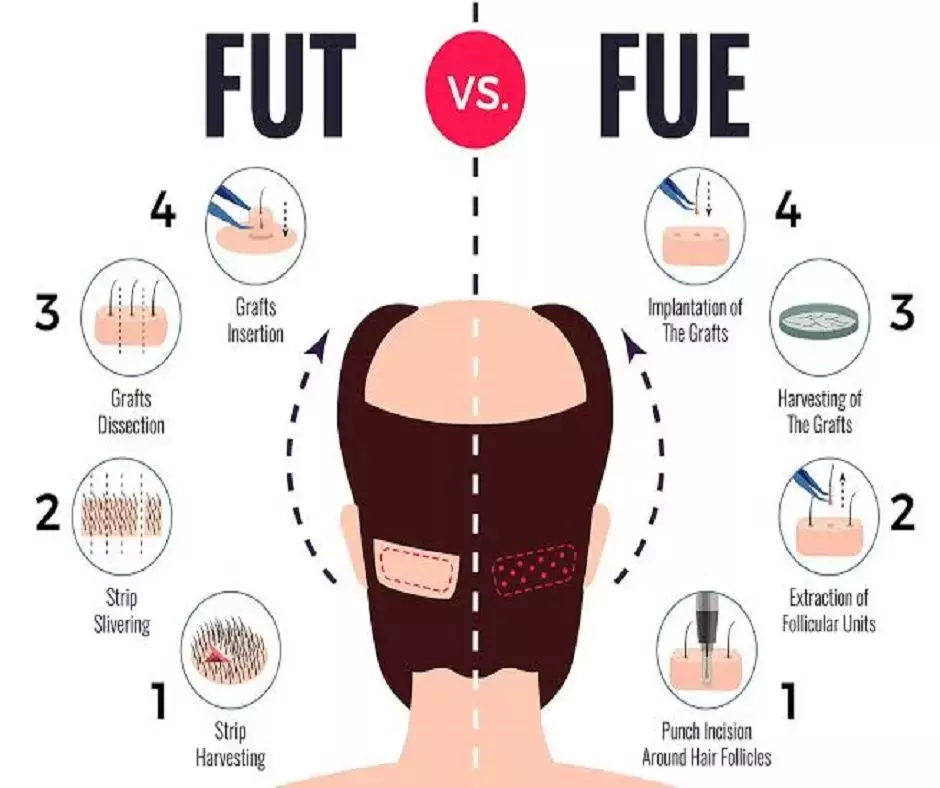
i) Strip Removal
The surgeon with the help of a scalpel removes a piece of your scalp (strip) about 6 to 10 inches. It is typically from the back of your head. Anesthesia is given beforehand. The area where the scalp is removed is closed with stitches.
ii) Dissection
The scalp strip is separated into smaller pieces by the surgeon with a scalpel. The splitting might be up to 2,000 smaller fragments known as grafts some of which only may contain one hair each. This step is done under a microscope.
The surgeon using a blade or needle makes smaller holes in the scalp where the transplant is about to take place.
iii) Graft Placement
The next step is called grafting in which the hairs removed from the scalp are inserted in the puncture holes. After that, the surgical site is covered with bandages. As this hair surgery needs precision, only a trained surgeon can do this. So, before doing this procedure, check whether your cosmetic surgeon is well-trained or not.
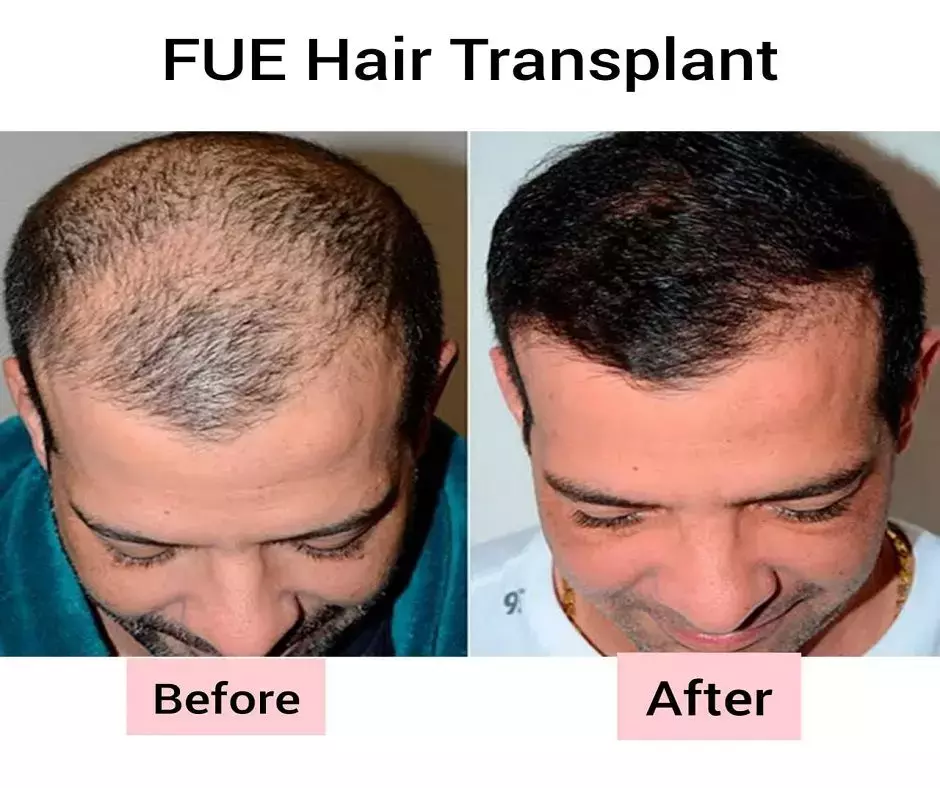
2.Follicular Unit Extraction
Follicular Unit Extraction (FUE) is another type of hair transplant like FUT. But it is more popular than that procedure. Here's the procedure of Follicular Unit Extraction (FUE) with simplified steps:
i) Removal of Hair Follicles
After local anesthesia is given, the surgeon removes hair follicles from the back of your head using a tiny punch tool.
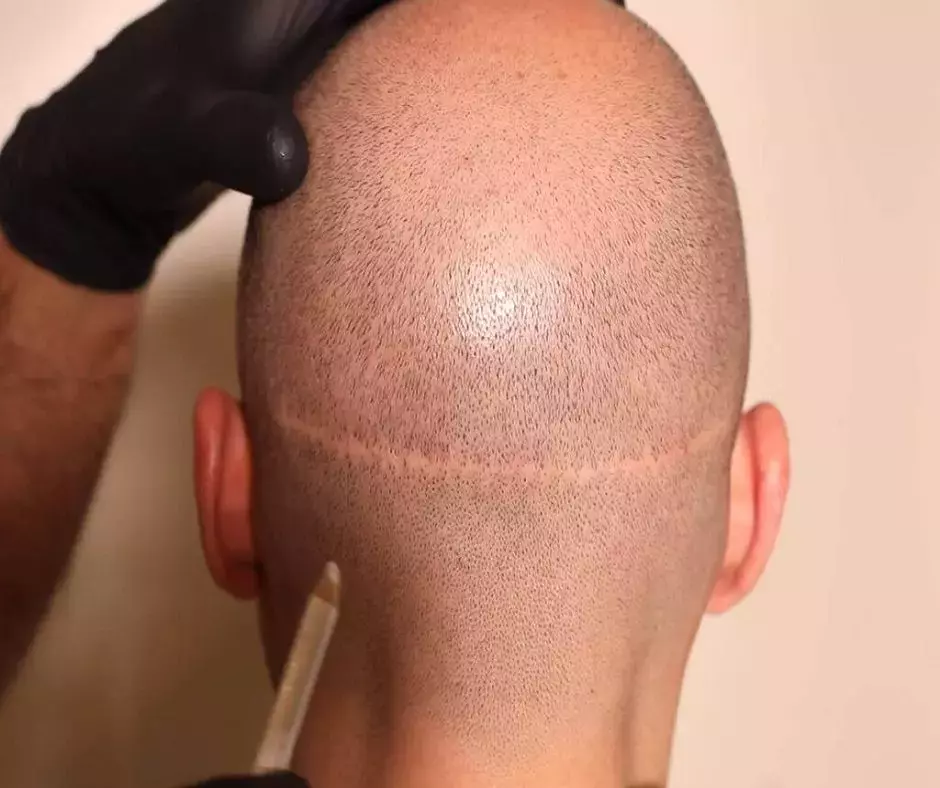
Tiny marks are seen in the area where follicles are removed more like a scar. Hence stitching mostly won’t be necessary.
ii) Preparation for Transplantation
Grafts (hair follicles) are collected and prepared for transplantation. Then, the surgeon makes a hole in the scalp where the removed hair follicles need to be transplanted.
iii) Insertion of Grafts
In those holes, the collected grafts are implanted carefully in the desired area by the skillful surgeon. Like the FUT procedure, in this also the surgical site is also covered with bandages.
The above pictures show the results of hair transplant before and after.
FUE Vs FUT Hair Transplant
- FUE needs a longer time to perform and also a more skilled surgeon than FUT.
- Compared to FUT, FUE produces minimal scarring and the graft placement is precise.
- The recovery of the FUE procedure is quicker than the FUT.
- For FUT, the healing time of the donor area is around 2-3 weeks and for the recipient area, it's around 2 weeks.
- For FUE, the healing time of the donor and recipient area are 1 week and 10-14 days respectively.
- However, FUT is a more cost-effective procedure than FUE.
- And it can also provide a large graft count in a single session.
Hair Transplant Recovery
Hair transplant procedure time might be around 4 hours or more and you don’t have to stay after the procedure, you can go home on the same day. After the procedure is over, the surgeon removes all of your bandages. The area where the procedure is done might be swollen, triamcinolone is injected to reduce the swelling.
For your hair transplant recovery, you should follow your surgeon’s instructions. In the transplanted area and donor area, you’ll likely feel pain. So, your surgeon will prescribe pain medications, antibiotics, anti-inflammatory medicine, and also medications to stimulate hair growth. It might take weeks to completely heal.
Don’t wash your hair for a few weeks. After starting using, only use mild shampoos. Don’t do any exercises for a week. You can able to return to your normal work after 3 days and don’t comb over that area for about 3 weeks. Within a few months your hair might grow, until then don’t worry if some hair falls off, it’s part of the process.
Success Rate
The success rate of these hair transplants depends on the experience of the surgeon and the person’s hair thickness. There aren’t many studies about the success rate of hair transplantation. One study shows that many people who had had FUE hair transplants with body hair along with scalp hair were satisfied with the results for about 2.9 years. The hair transplant before and after overall satisfaction score was 8.3 out of 10 which was conducted among 79 participants.
Hair Transplant Cost
The cost of hair transplantation depends on various factors like the amount of hair you want to transplant, the skill of the surgeon, the type of procedure, hair transplant procedure time, etc. Generally, it costs around 4000 to 15000 dollars. Mostly insurance won’t cover it as it thinks of this as a cosmetic procedure. So, you have to pay for it fully.
Hair Transplant Side Effects
Even if you have done hair transplantation by a skilled surgeon, there might be some side effects temporarily after the procedure. The hair transplant side effects you may likely experience are:
- As hair transplants involve making incisions in the skin, there is a risk of bleeding.
- After the procedure, a scar might be produced in the donor and recipient area. In the FUT method, the scarring is large compared to the FUE hair transplant method. These hair transplant scars may be permanent and after the hair growth may not be visible.
- You may experience pain after the procedure. Your surgeon will provide you with pain medications to cope with it. Swelling also takes place in your head and face, it is a process of healing.
- Even though your doctor will take care that there won’t be any infections that will build up in your scalp after the procedure, you should also keep your scalp hygienic.
- You may also experience inflammation of hair follicles, hair loss, and losing sensation in the transplant area.
Hair Transplant Results and Time Span
After a successful hair transplant, your hair will look thicker. But hair loss might continue after that. So, you need to undergo several follow-up transplantation procedures for long-lasting procedures. According to the American Society of Plastic Surgeons, It is also possible that some of the transplanted hair follicles might die, and then hair growth won’t happen.
For that, you need a “touch-up” procedure to fill in those areas. This will give the most natural look. Is hair transplant permanent? Follow all the after-procedure instructions given by your surgeon. This will increase the chances of your hair transplantation success and it will last longer. A hair transplant after 10 years will be stronger if you follow all of these.
Is Hair Transplant Safe?
The main question you have in your mind would be, is hair transplant safe? Hair transplantation done by a qualified and experienced surgeon is generally safe. But every human body is different, so the results and their ability to heal. Some of the risks might include allergic reaction, infection, blood loss, failed hair graft, tissue death, hair transplant scar, and permanent loss of sensation.
These might change according to your lifestyle and medical history. So, consult with your surgeon before undergoing either of the hair transplants. Also, keep in mind that these procedures are not guaranteed to be successful. So go through all the risks & details, if you decided to do the procedure.